
A Beginner's Guide to Creating Effective Digital Marketing Funnels


Understanding Digital Marketing Funnels
A digital marketing funnel is a visual representation of the customer journey, illustrating the process from initial awareness to the final purchase. Understanding how these funnels work is crucial for effectively guiding potential customers towards conversion. A well-designed funnel helps in nurturing leads and turning them into loyal customers.

The Stages of a Digital Marketing Funnel
The typical digital marketing funnel consists of several stages: Awareness, Interest, Consideration, Intent, Evaluation, and Purchase. Each stage plays a vital role in moving potential customers closer to making a purchase decision. Let's explore these stages in more detail.
Stage 1: Awareness
At the top of the funnel is the Awareness stage, where potential customers first learn about your brand. This can be achieved through various channels such as social media, content marketing, and paid advertising. The goal here is to reach as many people as possible to increase brand visibility.
Stage 2: Interest
Once potential customers are aware of your brand, the next step is to pique their interest. This can be achieved by providing valuable content, such as blog posts, videos, or newsletters, that addresses their needs or problems. Engaging content will encourage them to learn more about your products or services.
Stage 3: Consideration
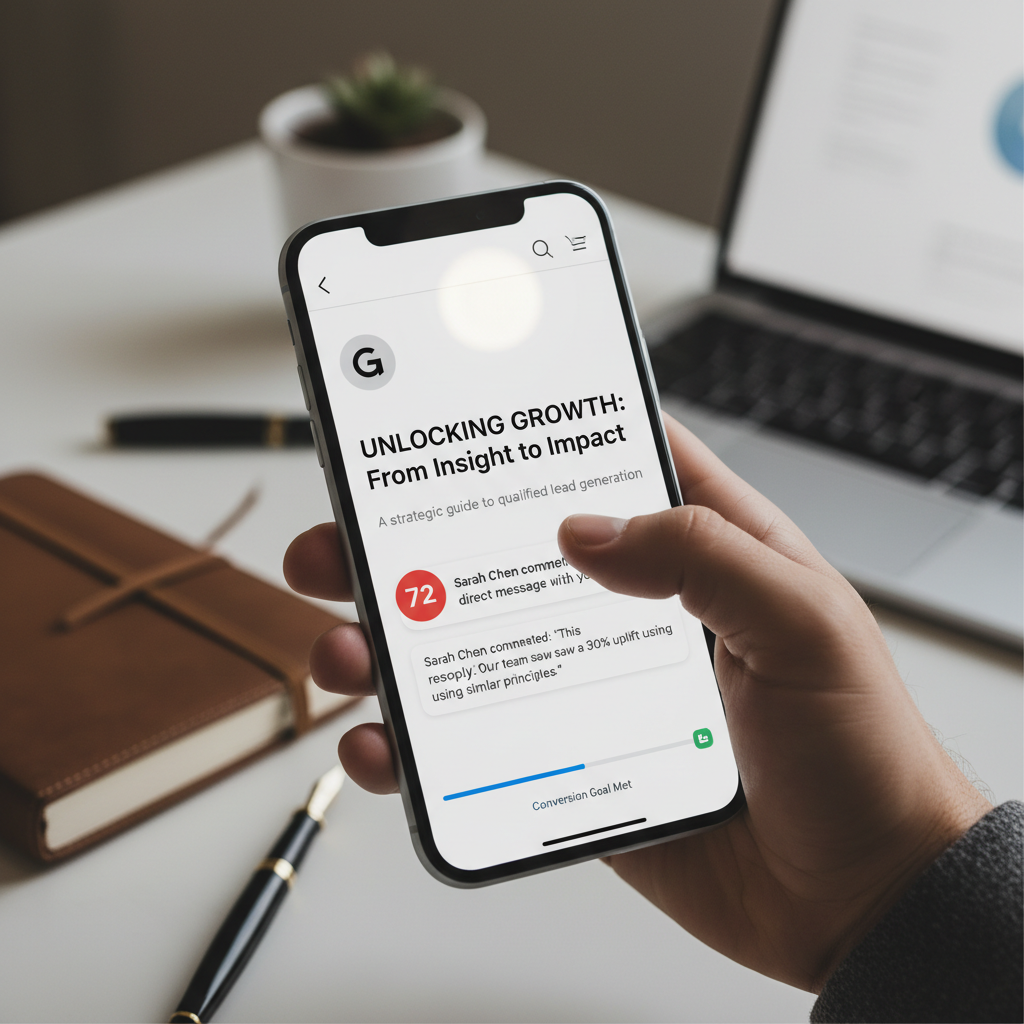
During the Consideration stage, potential customers are evaluating their options. They are aware of your brand and are considering whether your product or service meets their needs. Providing detailed information, such as case studies or testimonials, can help build trust and persuade them to choose your brand.
Building an Effective Funnel
Creating an effective digital marketing funnel involves understanding your target audience and tailoring content to their specific needs at each stage. Here are some key steps to follow:
- Identify your target audience and their pain points.
- Create targeted content for each funnel stage.
- Utilize multiple channels to reach potential customers.
- Continuously analyze and optimize your funnel performance.

Tools to Optimize Your Funnel
There are numerous tools available to help optimize your digital marketing funnel. Tools like Google Analytics, HubSpot, and Mailchimp provide valuable insights into customer behavior and engagement, allowing you to make data-driven decisions to improve funnel performance.
Final Thoughts
Creating an effective digital marketing funnel requires time, effort, and strategic planning. By understanding each stage of the funnel and tailoring your approach to meet the needs of your audience, you can significantly improve your conversion rates and build lasting customer relationships. Start small, test different strategies, and continuously refine your approach for the best results.