
Harnessing the Power of Digital Marketing for Small Businesses


Understanding Digital Marketing
Digital marketing has become an essential tool for small businesses looking to expand their reach and increase their customer base. By leveraging the internet and digital channels, businesses can connect with their target audience more effectively and efficiently. From social media to search engines, digital marketing encompasses a wide range of strategies that can be tailored to suit any business's needs.

The Benefits of Digital Marketing
One of the primary advantages of digital marketing is its cost-effectiveness. Traditional marketing methods, such as print or TV ads, can be expensive and often out of reach for small businesses. In contrast, digital marketing allows for targeted campaigns that can fit any budget. This level of precision ensures that every dollar spent is used to reach potential customers who are more likely to convert.
Additionally, digital marketing provides measurable results. With tools like Google Analytics, businesses can track the performance of their campaigns in real-time. This data-driven approach enables continuous improvement and optimization, ensuring the best possible return on investment.
Key Digital Marketing Strategies
There are several key strategies that small businesses can implement to harness the power of digital marketing:
- Social Media Marketing: Platforms like Facebook, Instagram, and Twitter offer opportunities to engage directly with customers and build brand awareness.
- Search Engine Optimization (SEO): Optimizing your website for search engines can improve visibility and attract organic traffic.
- Email Marketing: Sending personalized emails can nurture leads and maintain customer relationships.
Creating a Digital Marketing Plan
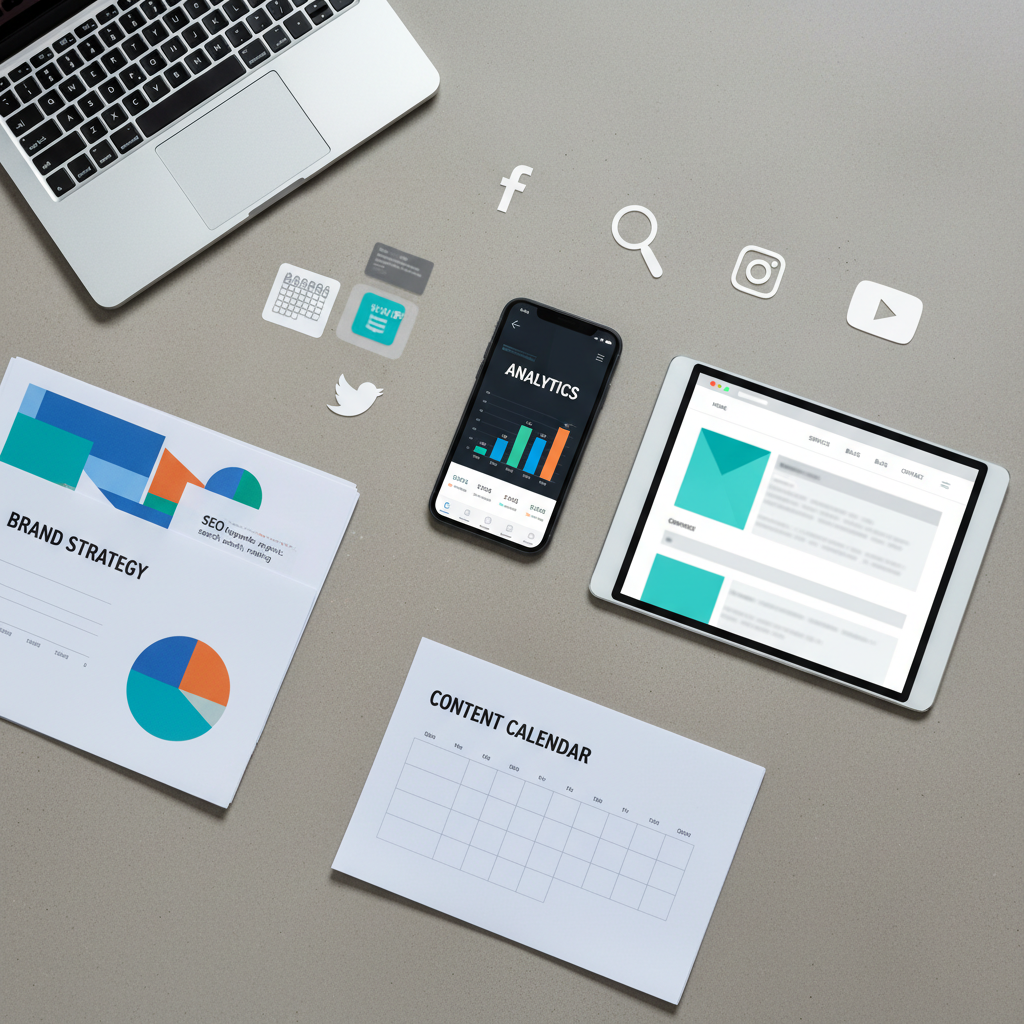
Developing a comprehensive digital marketing plan is crucial for success. Start by setting clear, measurable goals. Whether it’s increasing website traffic or boosting sales, having defined objectives will guide your strategy. Next, identify your target audience and tailor your messaging to their needs and preferences.
It's also important to choose the right channels. Depending on your business and target market, some platforms may be more effective than others. Experimenting and analyzing the results will help determine the best fit for your brand.
Leveraging Content Marketing
Content marketing is a powerful component of digital marketing. By creating valuable and relevant content, businesses can attract and engage their audience. Blog posts, videos, and infographics can all be used to tell your brand's story and highlight your expertise.

Effective content marketing not only boosts SEO but also builds trust with your audience. Providing solutions to their problems or answering their questions positions your business as a helpful and reliable resource.
Utilizing Paid Advertising
While organic strategies are essential, paid advertising can provide a significant boost, especially when starting. Platforms like Google Ads and Facebook Ads allow for highly targeted campaigns, reaching potential customers based on demographics, interests, and behaviors.
Paid advertising can drive immediate traffic and results, complementing long-term organic efforts. It’s essential to monitor and adjust these campaigns regularly to ensure they remain effective and within budget.
Embracing Analytics and Adaptation
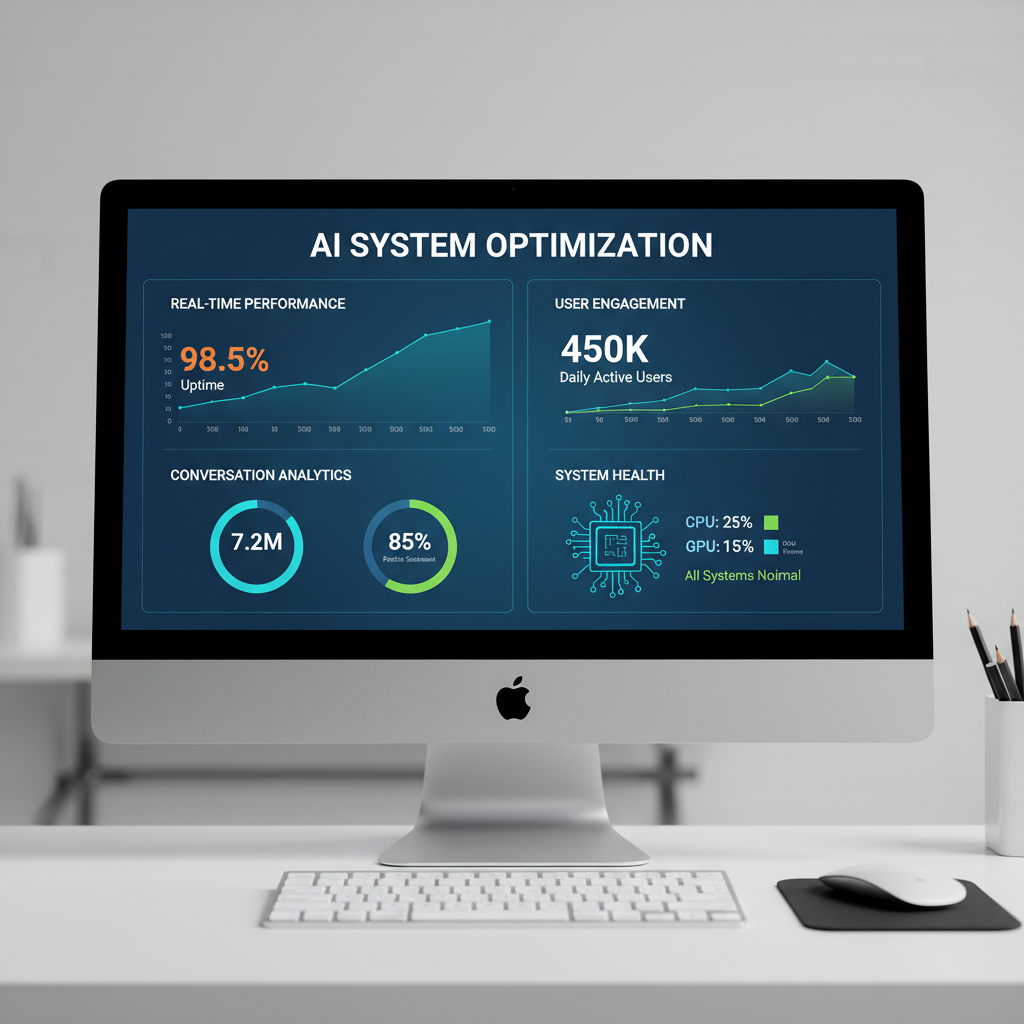
One of the greatest strengths of digital marketing is the ability to analyze data and adapt strategies accordingly. Regularly reviewing performance metrics will provide insights into what’s working and what needs improvement. This adaptability ensures that your marketing efforts stay aligned with your business goals.
Staying informed about the latest trends and technologies in digital marketing will also keep your strategies fresh and competitive. Continuous learning and adaptation are key to long-term success.