
Mastering Digital Marketing: A Comprehensive Guide for Small Businesses


Understanding Digital Marketing
Digital marketing is essential for small businesses looking to expand their reach and increase their customer base. It encompasses various strategies, from social media marketing to search engine optimization (SEO), which can be tailored to meet specific business needs. By understanding the fundamentals of digital marketing, small businesses can compete effectively in the online marketplace.

Building a Strong Online Presence
To master digital marketing, establishing a robust online presence is crucial. This involves creating a professional website, maintaining active social media profiles, and engaging with customers online. A well-designed website serves as the cornerstone of your digital marketing efforts, providing potential customers with information about your products or services.
Social media platforms like Facebook, Instagram, and Twitter allow businesses to connect with their audience, share content, and promote their brand. Regularly posting engaging content helps in building a community around your brand, increasing visibility and trust.
Search Engine Optimization (SEO)
SEO is a critical component of digital marketing that focuses on improving your website's visibility on search engines. By optimizing your website's content and structure, you can increase organic traffic and improve search engine rankings. Key elements of SEO include keyword research, on-page optimization, and link building.

Investing in SEO can yield long-term benefits by ensuring that your business appears prominently in search results, making it easier for potential customers to find you. It's important to keep up with SEO trends and algorithm updates to maintain your website's performance.
Leveraging Content Marketing
Content marketing involves creating and sharing valuable content to attract and engage your target audience. This strategy can include blog posts, videos, infographics, and more. By providing informative and entertaining content, businesses can establish themselves as industry experts and build trust with their audience.
When crafting content, focus on addressing the needs and interests of your customers. High-quality content can drive traffic to your website, increase engagement, and boost conversions.

Utilizing Paid Advertising
Paid advertising, such as Google Ads and social media ads, can provide immediate results by increasing visibility and driving targeted traffic to your website. These platforms allow businesses to set specific targeting parameters, ensuring that ads reach the right audience.
It's essential to monitor and analyze the performance of your ads to optimize your campaigns and maximize ROI. By adjusting targeting, ad copy, and budget, businesses can improve the effectiveness of their paid advertising efforts.
Measuring Success
Tracking the performance of your digital marketing campaigns is vital to understanding what works and what doesn't. Utilize tools like Google Analytics to monitor website traffic, conversion rates, and user behavior. This data can provide insights into the effectiveness of your marketing strategies and help identify areas for improvement.
Regularly reviewing and analyzing your marketing efforts allows you to make informed decisions and adapt your strategies to meet changing market conditions.
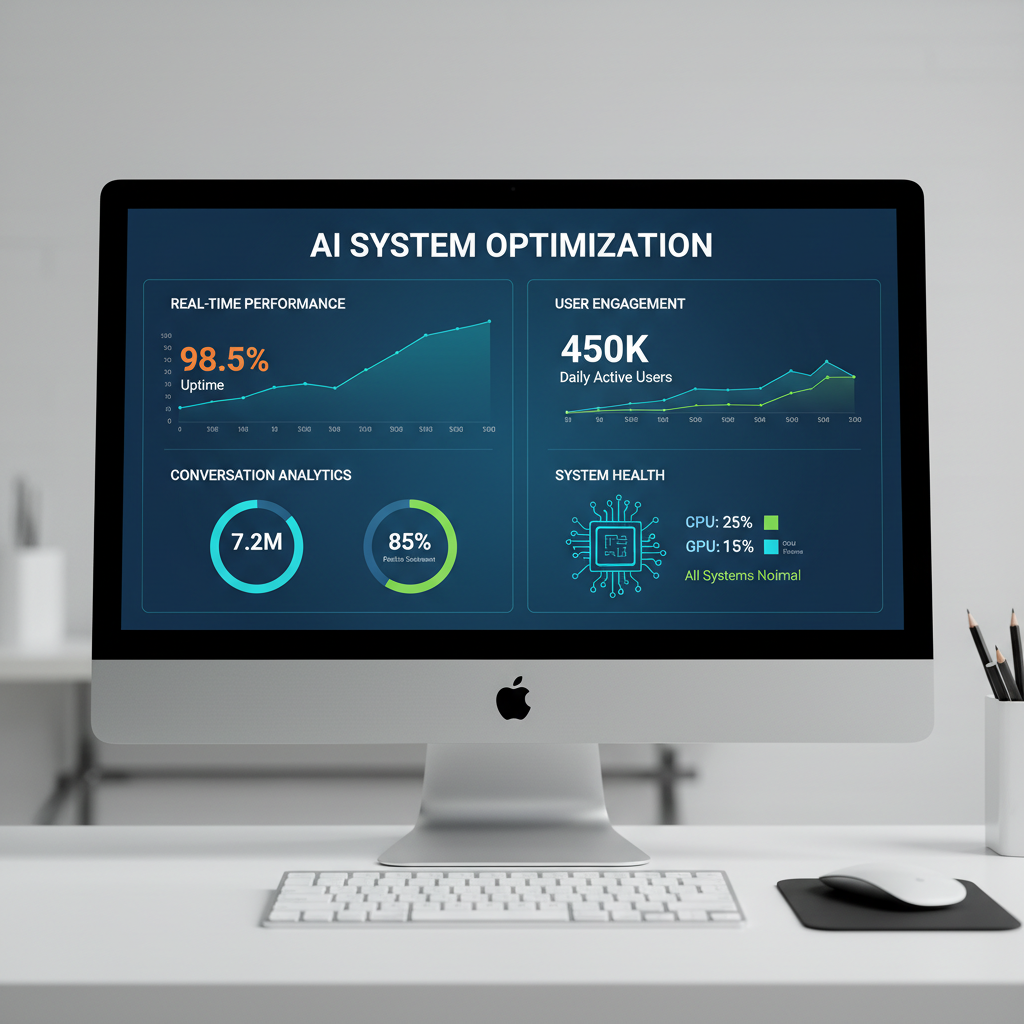
In conclusion, mastering digital marketing requires a strategic approach and a willingness to adapt to new trends and technologies. By building a strong online presence, optimizing for search engines, leveraging content marketing, utilizing paid advertising, and measuring success, small businesses can thrive in the digital landscape.