
Seasonal Digital Marketing Strategies: Capitalizing on Trends Year-Round


Understanding Seasonal Digital Marketing
Seasonal digital marketing involves adjusting your strategies to align with specific times of the year. This approach helps businesses leverage holidays, weather changes, and cultural events to engage customers. By understanding the ebb and flow of consumer behavior, you can craft campaigns that resonate more effectively.
Seasonal strategies aren't limited to just major holidays. Consider changes in consumer behavior during back-to-school season, summer vacations, or even tax season. Each period presents unique opportunities to connect with your audience in a meaningful way.

Identifying Key Trends
To capitalize on seasonal trends, begin by identifying which periods are most relevant to your business. Analyze past sales data and customer interactions to pinpoint peak times. Use tools like Google Trends to gauge interest in specific topics or products during different times of the year.
Once you've identified key trends, tailor your content and promotions accordingly. For example, a fashion retailer can highlight winter coats during colder months, while a fitness brand might focus on home workout gear in January when New Year's resolutions are top of mind.
Utilizing Social Media
Social media platforms are invaluable for seasonal marketing. They allow you to quickly adapt to trends and engage with audiences in real time. Create themed content that aligns with current events or holidays, and encourage user-generated content to boost engagement.

Crafting Compelling Content
Content is a powerful tool in any marketing strategy. During seasonal campaigns, ensure your content is both relevant and timely. Blog posts, videos, and infographics can all be tailored to match the season's tone and topics. For instance, a travel blog could feature holiday destination guides during peak vacation times.
Remember to incorporate seasonal keywords in your content to improve SEO. This will help attract organic traffic from users searching for season-specific information or products.
Email Marketing Strategies
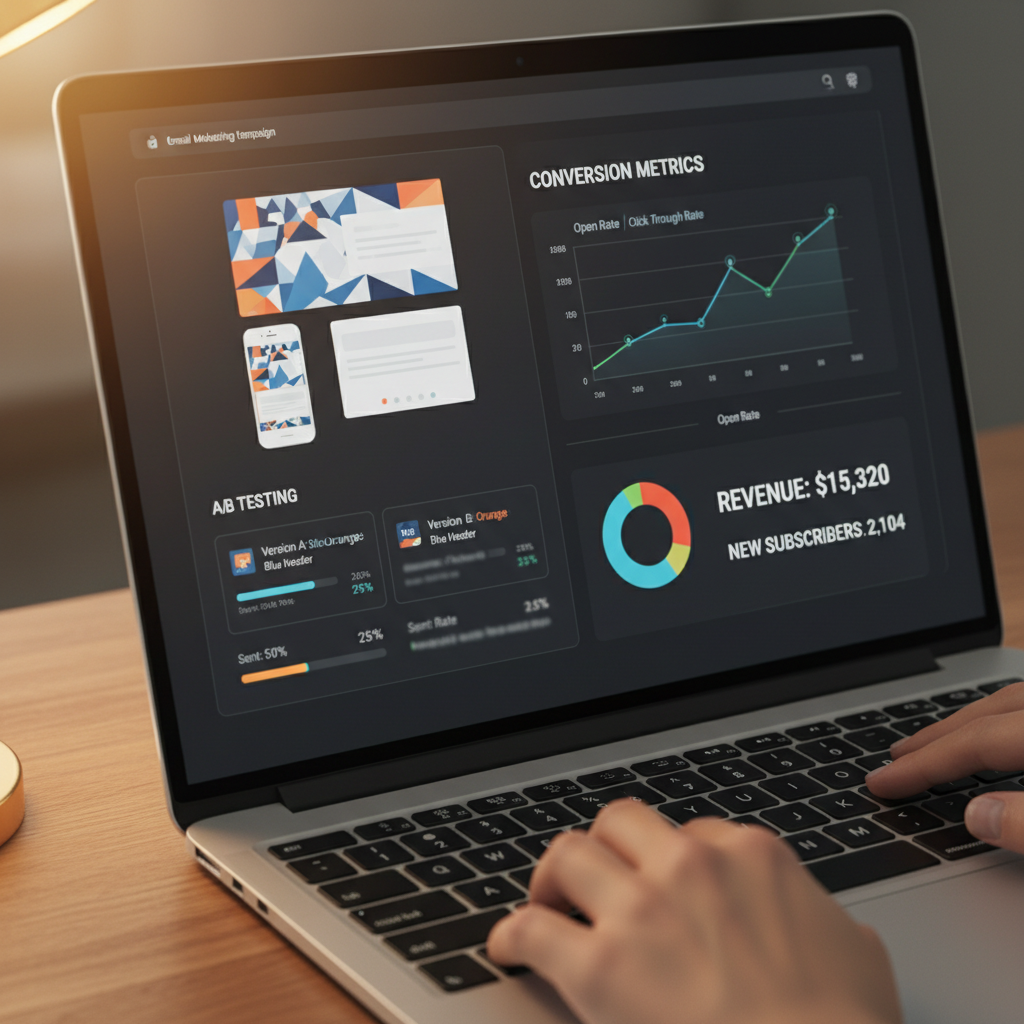
Email marketing remains one of the most effective ways to reach customers with seasonal promotions. Craft personalized messages that offer exclusive deals or insider tips related to the season. Use attention-grabbing subject lines to increase open rates.
Analyzing and Adapting
After implementing your seasonal strategies, it's crucial to analyze their success. Use analytics tools to track metrics such as engagement rates, conversion rates, and overall ROI. This data will help you understand what worked and what didn't, allowing you to refine future campaigns.
Be prepared to adapt quickly. Trends can shift rapidly, and staying flexible will ensure you can capitalize on new opportunities as they arise.
Looking Ahead
Seasonal marketing is not just about reacting to changes; it's about anticipating them. Plan your strategies well in advance to ensure you're ready to hit the ground running when the time comes. By staying ahead of the curve, you'll be better positioned to engage your audience year-round.

In conclusion, by understanding and leveraging seasonal trends, businesses can create more dynamic and engaging marketing strategies. Whether it's through social media, content creation, or email campaigns, tapping into the rhythm of the year can lead to significant gains in customer engagement and sales.