
Top Trends in Digital Marketing You Can't Ignore


Embracing Artificial Intelligence
Artificial Intelligence (AI) is reshaping the digital marketing landscape. From chatbots that provide 24/7 customer service to AI-driven analytics that offer deeper insights, AI is a game-changer. Marketers are leveraging AI to personalize experiences, automate tasks, and predict consumer behavior more accurately.

Video Content Dominance
Video content continues to dominate digital marketing. Whether it's short-form videos on TikTok and Instagram Reels or long-form content on YouTube, video is engaging and versatile. Brands are using video to tell stories, showcase products, and connect with audiences on a deeper level.
Moreover, live streaming is gaining traction as it offers real-time interaction with viewers. This trend is particularly popular on platforms like Facebook Live and Twitch, where authenticity and immediacy are key.

Voice Search Optimization
With the rise of smart speakers and voice-activated devices, optimizing for voice search is becoming crucial. People use voice search differently than text search, often employing more conversational language. Marketers need to adjust their SEO strategies to include long-tail keywords and natural language phrases.
Implementing structured data can also help ensure that your content is voice-search friendly, making it more likely to be featured in voice search results.

Social Commerce Revolution
Social media platforms are transforming into powerful e-commerce hubs. With features like Instagram Shopping and Facebook Marketplace, consumers can purchase products without leaving the app. This seamless shopping experience is becoming increasingly popular, especially among younger audiences.
Brands are integrating social commerce strategies to boost sales and enhance customer engagement. It’s an effective way to reduce friction in the buying process and reach potential customers where they spend most of their time.

Inclusivity and Diversity
Modern consumers expect brands to be inclusive and diverse. This trend is more than just a marketing tactic; it's a reflection of societal values. Brands are making conscious efforts to showcase diversity in their campaigns and ensure that their messaging is accessible to everyone.
From using diverse models in advertising to creating products that cater to all demographics, inclusivity can significantly enhance brand reputation and customer loyalty.

Data Privacy and Security
With increasing concerns over data privacy, consumers are more aware of how their information is used. Digital marketers must prioritize transparency and security to build trust with their audience. Compliance with regulations like GDPR and CCPA is essential to avoid legal issues and maintain customer confidence.
Offering clear privacy policies and giving users control over their data can enhance brand credibility and foster long-term relationships.

Interactive and Immersive Content
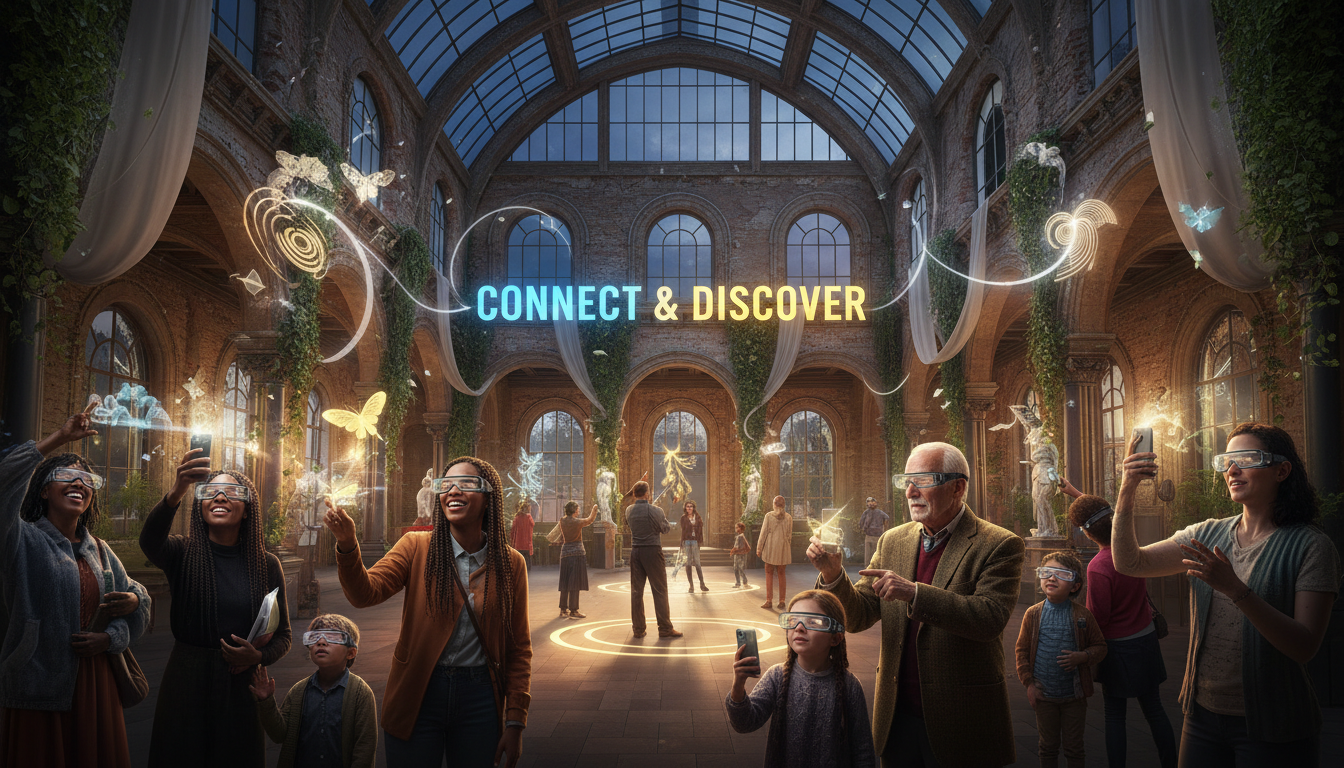
Interactive content, such as quizzes, polls, and augmented reality (AR) experiences, is captivating audiences more effectively than static content. This form of content encourages active participation, which can lead to higher engagement rates.
Immersive technologies like AR and virtual reality (VR) are also being used to create memorable brand experiences. These technologies offer a new way to engage with customers and can differentiate a brand from its competitors.
Conclusion
The digital marketing landscape is constantly evolving, and staying abreast of the latest trends is essential for success. By embracing these trends, marketers can create more effective strategies that resonate with their audience and drive business growth.
From leveraging AI and video content to ensuring inclusivity and data privacy, there are numerous opportunities to innovate and connect with consumers in meaningful ways.